What We Do

Services

Here's the full range of concrete work our crew handles, pours, repairs and everything around them.

HomeServices

Everything we take on

Every job below is one we do ourselves across San Jose.

Concrete Driveways

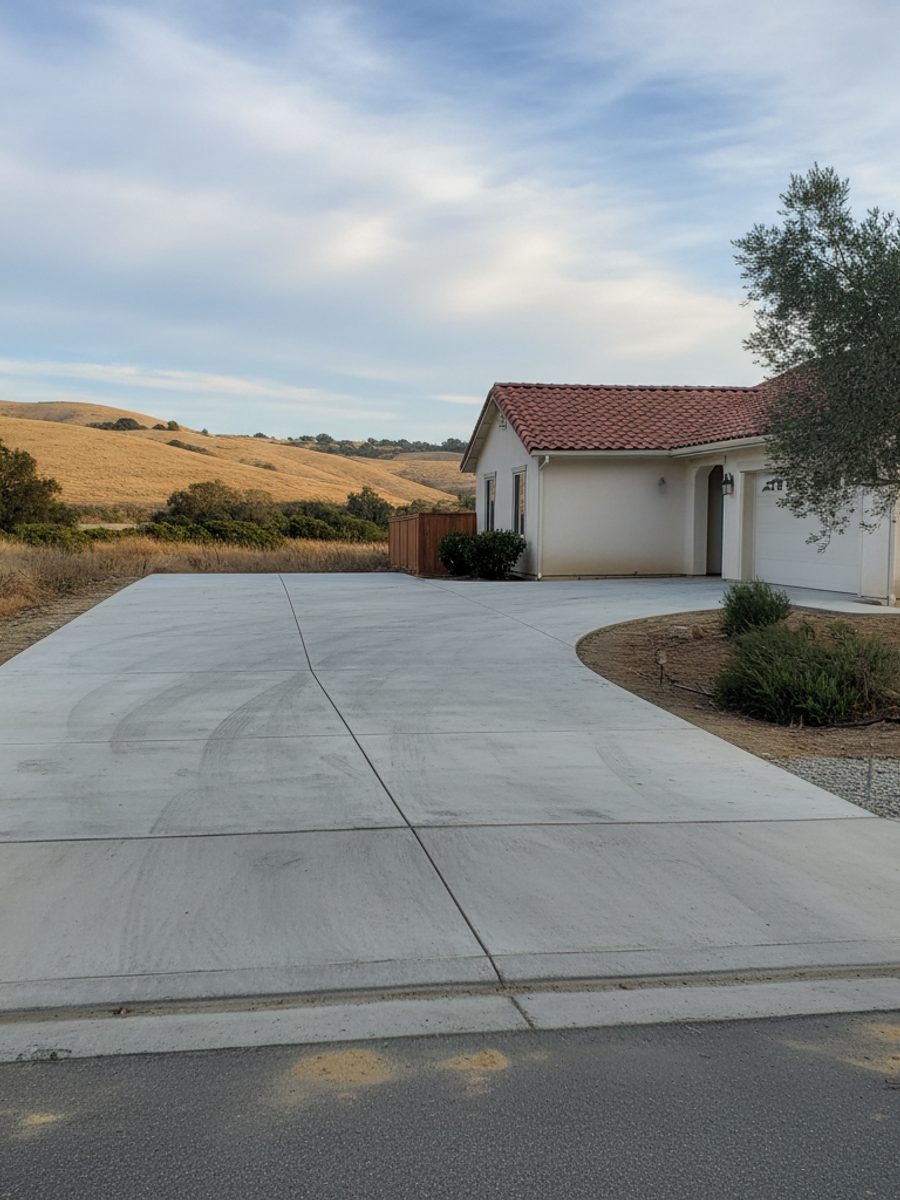
We form and pour driveways sized for the vehicles that'll actually use them, with a base compacted deep enough to carry the weight. Control joints go in the same day so the slab cracks along the joint instead of across the middle. We can finish it broom, exposed aggregate or stamped depending on what you want to look at every day.

Concrete Patios

Patio slabs get sloped away from the house so water doesn't pool against the foundation. We can pour a plain broom finish or dress it up with a stamped pattern or integral color. Most patios run 4 inches thick, more if you're planning to put a hot tub on it.

Stamped Concrete

Stamped concrete gives you the look of flagstone, brick or cut stone without the joints where weeds and ants get in. We seal it after curing to bring out the color and protect the texture from foot traffic and tire marks. It costs more than plain concrete but a lot less than the real material it's copying.

Concrete Slabs & Foundations

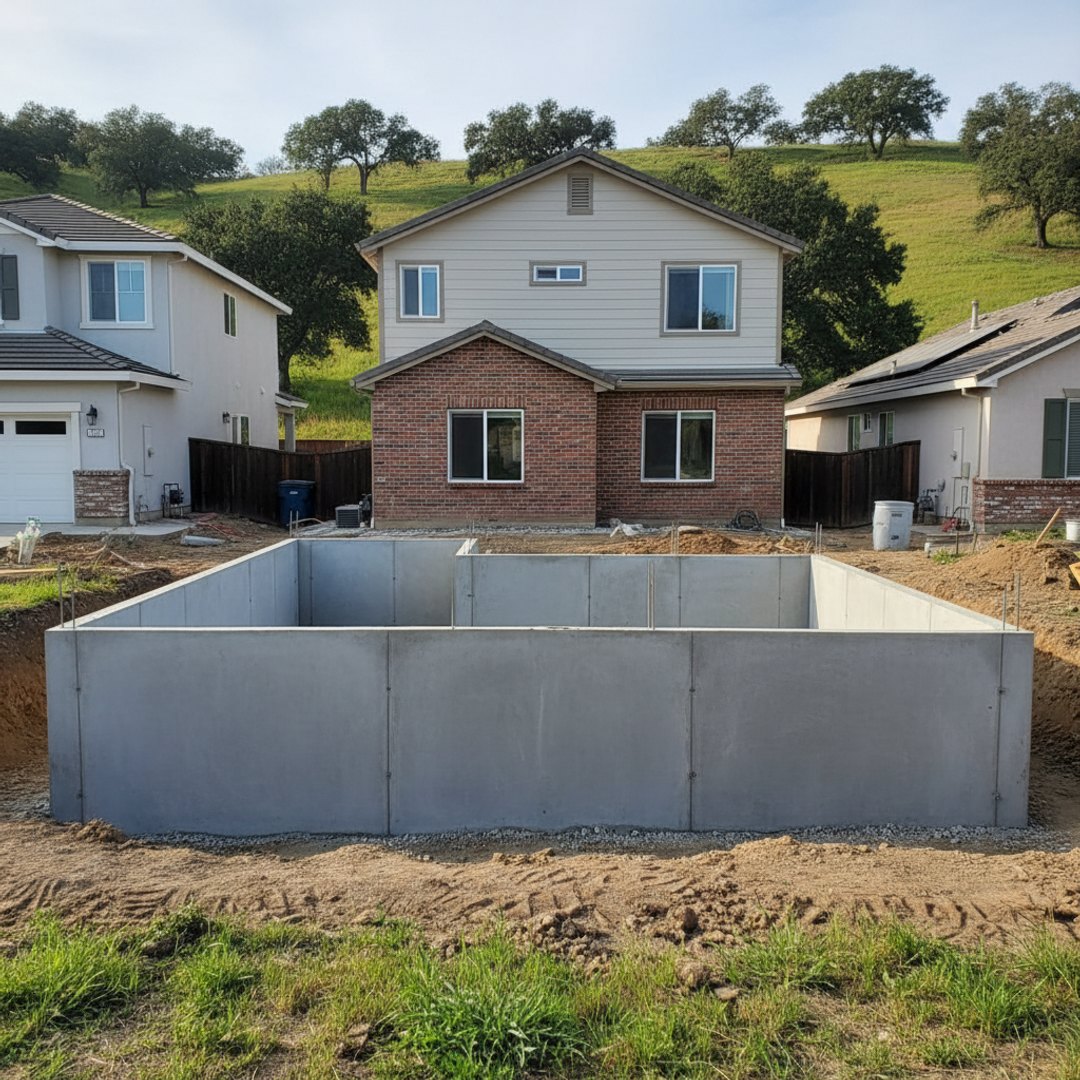
Garage slabs, shed pads and small foundation pours, all done with the rebar or mesh the load actually calls for. We check the base compaction before any concrete goes down, since that's what decides whether the slab stays flat.

Concrete Repair

Cracked, sunken or spalling concrete doesn't always need a full tear-out. We can mudjack or foam-lift a sunken section back to grade, or cut out and patch a bad panel without touching the rest of the slab. Hairline cracks get routed and filled so water stops getting underneath and making them worse.

Concrete Steps & Porches

Steps and porch slabs get poured to the rise and run your local code calls for, not just whatever fits. We tie new steps into the existing foundation with rebar dowels so they don't pull away and crack at the seam.

Concrete Sidewalks

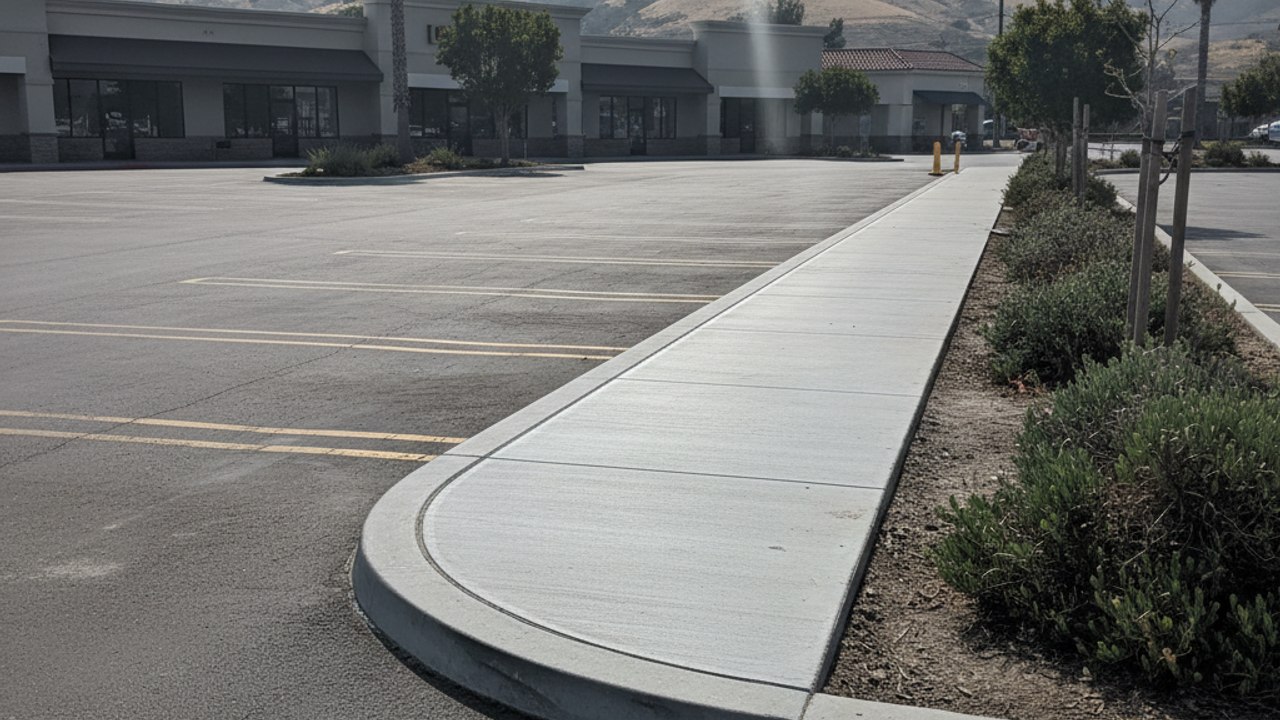
Sidewalk sections get poured and jointed to match the spacing of the panels next to them. If tree roots or soil movement already lifted a section, we can cut it out and repour without touching the rest of the walk.

Concrete Overlays

An overlay lets us resurface an old driveway or patio that's structurally sound but ugly, without tearing it out. We can add color, stamp a pattern into it or just give it a clean broom finish over the cracks and stains.

Concrete Removal & Replacement

Sometimes a slab is too far gone for patching, heaved from roots, cracked in a dozen spots, or poured too thin to begin with. We break it out, haul it off, and start over with a base built to hold up this time.

Retaining Walls

Small to mid-size retaining walls to hold back a slope or level out a yard, poured or built block on a footing sized for the soil behind it. We handle the drainage behind the wall too, since that's usually what fails first if it's skipped.

How It Works

Four steps, and no surprises in any of them.

01

We come and look

You tell us what you want doing, we look at what is actually there, and we ask the awkward questions early.

02

You get a price

In writing, itemised, free. If something might add cost later we flag it now rather than at the end.

03

We do the work

Same crew throughout. We cover your floors, keep the dust down and tidy up before we leave each day.

04

We walk it with you

You point out anything you are not happy with and we fix it before the invoice, not after.

Where We Work

All of this, across San Jose, CA

Here's the general reach of our concrete crew out of San Jose.

San Jose, CA
Fremont, CA
Sunnyvale, CA
Hayward, CA
Santa Clara, CA
Mountain View, CA
Milpitas, CA
Redwood City, CA
Livermore, CA
Gilroy, CA
Campbell, CA
Los Gatos, CA
Common Questions

Things worth asking

Questions that tend to come up once a concrete job is underway.

Do I need a permit to pour a new driveway or patio?
Most cities require a permit for a new driveway apron where it meets the street, and some require permits for large patio slabs or anything tied to a structure. A concrete contractor familiar with the local area should know which pours need a permit pulled before work starts.
How long does a typical concrete driveway or patio take?
Forming and pouring a standard residential driveway or patio usually takes one to two days on site, plus at least seven days before it can handle vehicle traffic. Full cure to reach design strength takes closer to 28 days, though foot traffic is fine much sooner.
Can you work within a set budget for a concrete project?
Concrete jobs can be scoped to a budget by adjusting square footage, finish type or reinforcement, for example choosing broom finish over stamped concrete or mesh instead of rebar where the load allows it. A contractor should lay out those tradeoffs before pouring, not after.
What kind of guarantee comes with concrete work?
A concrete contractor should stand behind cracking or settling that traces back to workmanship, like a joint that was skipped or a base that wasn't compacted properly. Cracking from normal shrinkage at control joints, or movement from extreme soil conditions, is a different situation and should be explained upfront.
Who do I deal with day to day during the job?
On most concrete jobs, the same crew or crew lead who bid the work handles the pour and finish, so there's one point of contact instead of a rotating cast. Any schedule changes, weather delays or extra work should come from that same person, not a separate office.
What materials do you use for a concrete pour?
Standard residential concrete mixes run around 3,000 to 4,000 psi depending on what the slab has to carry, reinforced with either wire mesh or rebar. Rebar is generally the stronger choice for driveways carrying vehicle weight, while mesh is common in patios and walkways with lighter loads.
Can I stay in my house during a driveway or patio pour?
Living in the house during a concrete pour is normal, since the work happens outside and the main disruption is truck noise and equipment on site for a day or two. Access to the driveway or a section of yard will be blocked until the concrete cures enough to walk or drive on.
What do I need to do to get the site ready before you pour?
Clearing the area of vehicles, furniture, planters or anything else sitting on the pour site makes the biggest difference before a concrete crew arrives. Sprinkler lines or buried utilities in the area should be pointed out ahead of time so they're not hit during excavation.
What if you find something unexpected once you start digging?
Old buried concrete, tree roots, poor soil or a sprinkler line in the wrong spot are common surprises once excavation starts on a concrete job. Any of these usually means a short conversation about cost or schedule before work continues, rather than plowing ahead.
How do I take care of new concrete after it's poured?
New concrete should stay free of vehicle traffic for at least seven days and heavy furniture or planters for closer to a month. Sealing a driveway or patio every couple of years helps it resist oil stains, de-icing salt and the freeze-thaw cycle, and keeps the surface from wearing down as fast.

Not sure what you need?

Describe the problem and we will tell you what it probably is. No obligation.
Call (408) 677-2445